

Image: Pexels
Investment property owners face a familiar challenge: keeping a rental competitive without overspending on upgrades that tenants barely notice. A thoughtful refresh can raise perceived value, shorten vacancy periods, and justify higher rents, all while protecting long-term returns. The goal is not perfection, but strategic improvement that aligns with how renters choose where to live.
Inside this Article:
Core insights
- Focus on improvements tenants experience daily, not hidden features they rarely see.
- Balance cosmetic updates with durability to reduce future maintenance costs.
- Make changes that appeal to your target renter profile, not a hypothetical buyer.
- Prioritize projects that improve both rental income and resale flexibility.
Where small finishes deliver outsized returns
Fresh paint in neutral tones, updated flooring, and modern light fixtures instantly change how a property feels. These updates create a clean slate that helps prospective tenants imagine themselves living there. Replacing worn carpet with vinyl plank or laminate flooring often pays off by reducing turnover damage and cleaning costs. Small details like matching hardware and consistent finishes subtly signal professionalism.
Upgrading kitchens and bathrooms without full remodels
Kitchens and bathrooms influence rental decisions more than almost any other spaces. You do not need a full renovation to make them shine. Cabinet refacing, new countertops, modern faucets, and updated mirrors can transform these rooms at a fraction of the cost. Tenants notice functionality first, so fixing poor layouts, improving lighting, and ensuring strong water pressure matter as much as appearances.
Investing in durability
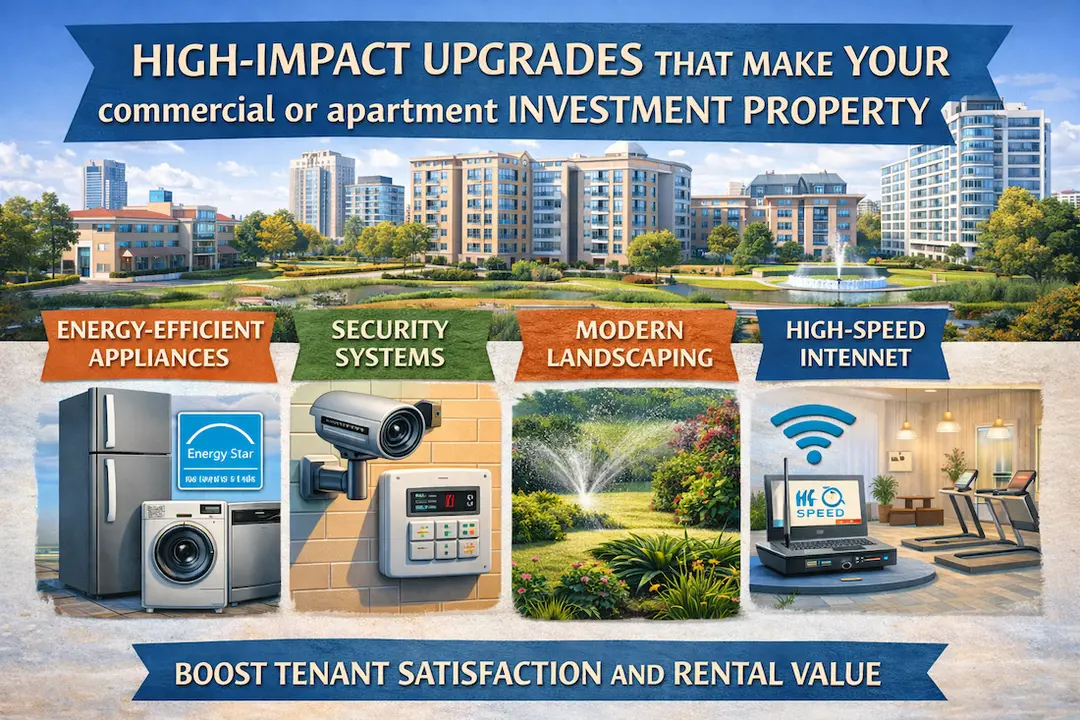
Durable upgrades protect cash flow over time. Installing hard-wearing flooring, solid-core doors, and quality plumbing fixtures reduces repair calls and tenant frustration. Energy-efficient appliances and LED lighting lower utility costs, which can be a selling point in competitive rental markets. These improvements may not photograph dramatically, but they quietly support long-term profitability.

A financing approach built for income-producing properties
Financing plays a quiet but powerful role in upgrade decisions. A DSCR loan that evaluates the property’s income rather than your personal earnings can open doors for strategic improvements. With this loan, approval hinges on whether rental income covers monthly housing costs, not on traditional debt-to-income metrics. The calculation divides monthly rent by the total monthly mortgage, tax, and insurance payment, and a ratio of 1.00 or higher shows the property can support itself. This structure makes it easier to fund value-adding projects without straining personal finances. For investors exploring this route, reviewing the full DSCR loan requirements helps clarify eligibility and planning considerations.
What to fix first
Use this process to decide what to tackle first:
- Walk the property as if you were a first-time renter.
- List anything that feels dated, worn, or inconvenient.
- Estimate cost versus expected rent or vacancy improvement.
- Rank projects by visibility and tenant impact.
- Schedule upgrades during natural turnover periods.
Typical upgrades and their practical benefits
The table below highlights common improvements and why investors choose them.
| UpGrade Type | Primary Benefit | Secondary Advantage |
| Fresh Interior Paint | Faster leasing | Cleaner move-in photos |
| Vinyl plank Flooring | Lower maintenance | Broader tenant appeal |
| Updated fixtures | Modern look | Reduced repair calls |
| Energy-efficient appliances | Lower utility bills | Marketing differentiator |
FAQs for investment property owners
Before moving forward, investors often want clarity on outcomes and risks.
Will these upgrades really increase rent, or just attract tenants faster?
In many markets, cosmetic and functional upgrades do both. They support modest rent increases while also reducing vacancy time. Even when rent stays flat, faster leasing improves annual cash flow.
How do I avoid over-improving for my neighborhood?
Study comparable rentals, not home listings. Match finishes and features to the local rental standard rather than trying to exceed it. Over-improving can delay payback without improving tenant quality.
Are tenants willing to pay more for durability upgrades?
Tenants rarely pay explicitly for durability, but they pay indirectly through comfort and reliability. Fewer breakdowns and cleaner interiors justify higher rents and longer stays. Durability also protects your margins over time.
Is it better to renovate all at once or in phases?
Phased upgrades often make more sense for occupied properties. Tackling improvements during turnovers spreads costs and reduces income disruption. It also allows you to test which upgrades deliver the best return.
How should financing factor into upgrade decisions?
Financing should support cash flow, not strain it. Align loan terms with the expected income lift from improvements. When upgrades increase rent reliability, financing becomes a tool rather than a risk.
Closing thoughts
Refreshing an investment property is about aligning upgrades with tenant expectations and long-term returns. Small, intentional changes often outperform dramatic renovations when measured against cost and impact. By focusing on visibility, durability, and income alignment, owners can enhance both appeal and value. The result is a property that performs better today and remains resilient tomorrow.
Guest post by Lydia Chan
Lydia is the co-creator of Alzheimer’s Caregiver, a website that aims to provide tips and resources to help caregivers.
New 2026 California Compliance Laws

Want to Know How Much Your Property is Worth?
Free Valuation
Start searching for your dream home now.
Start SearchPaul Burrowes, CRS, CCEC, SFR, NHCP, LHC | David Lyng Real Estate | DRE# 01955563 | 15 plus years serving Santa Cruz, Silicon Valley & Monterey buyers | paul@burrowes.com | (831) 295-5130
Enjoy this blog post? Click here to subscribe for updates
Leave A Comment