

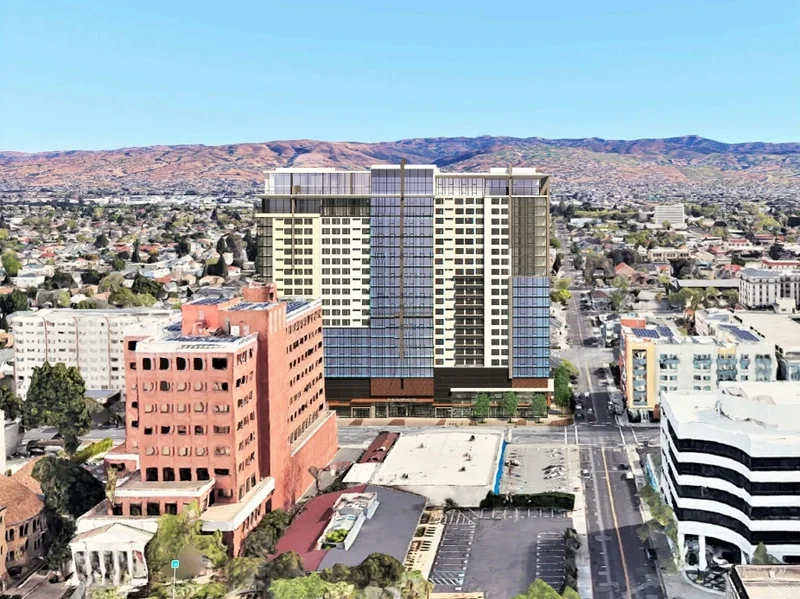
Multi-Residential properties for sale Real Estate Statistics
| Average Price | $2.6M |
|---|---|
| Lowest Price | $400K |
| Highest Price | $38M |
| Total Listings | 512 |
| Avg. Price/SQFT | $612 |
Property Types (active listings)
Search Multi-Residential Property for Sale


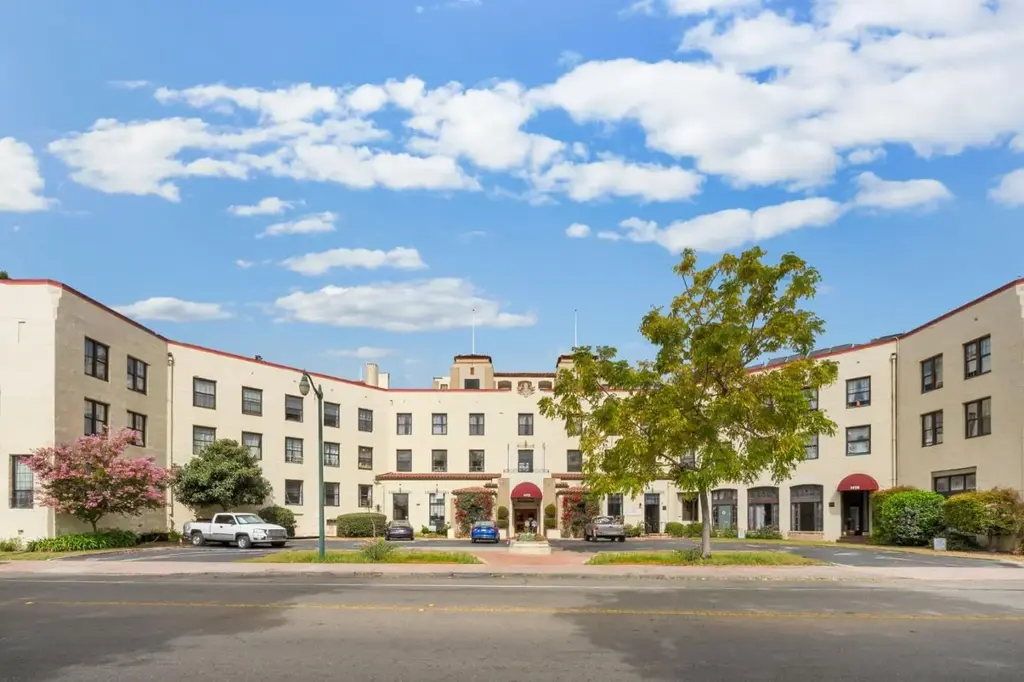
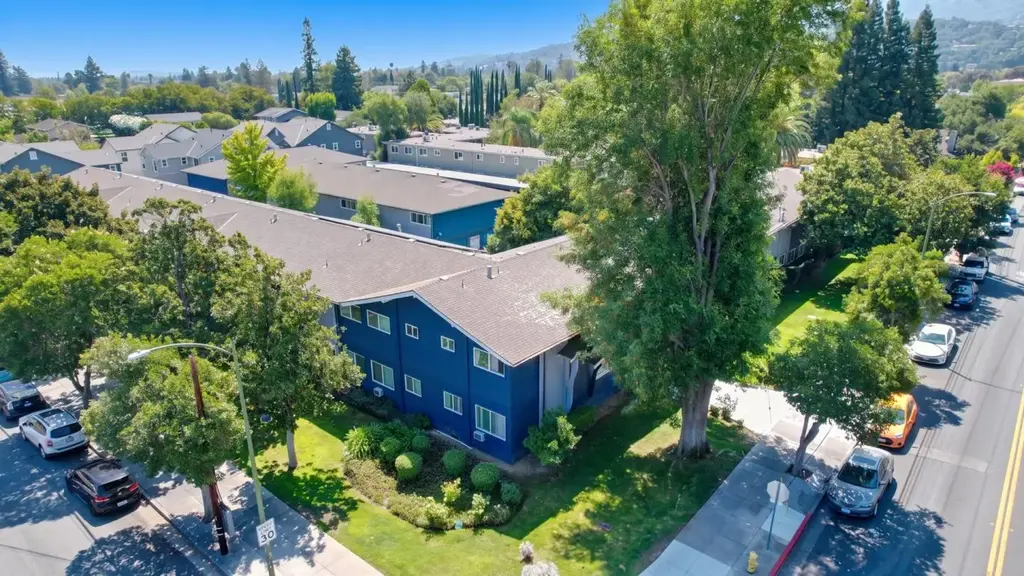

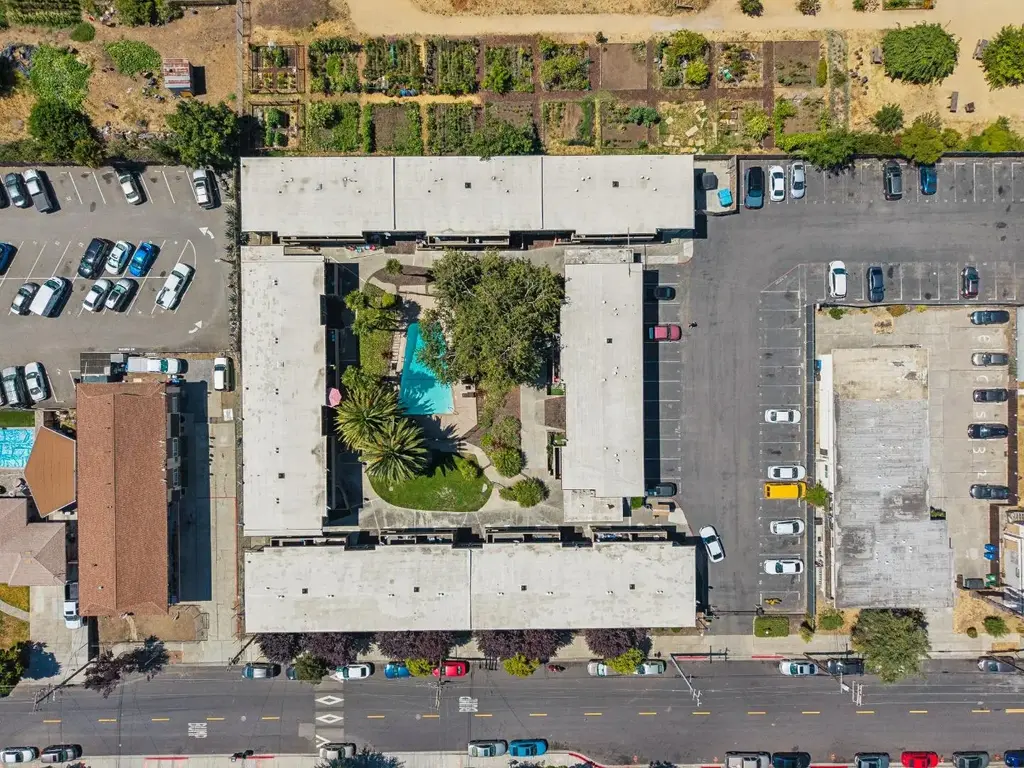


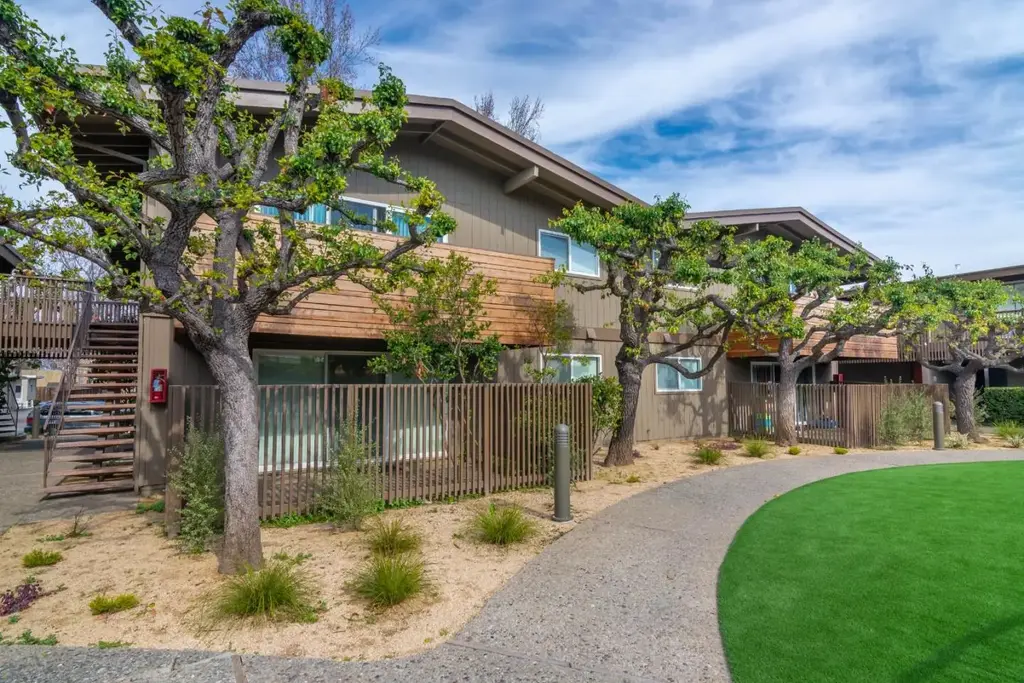

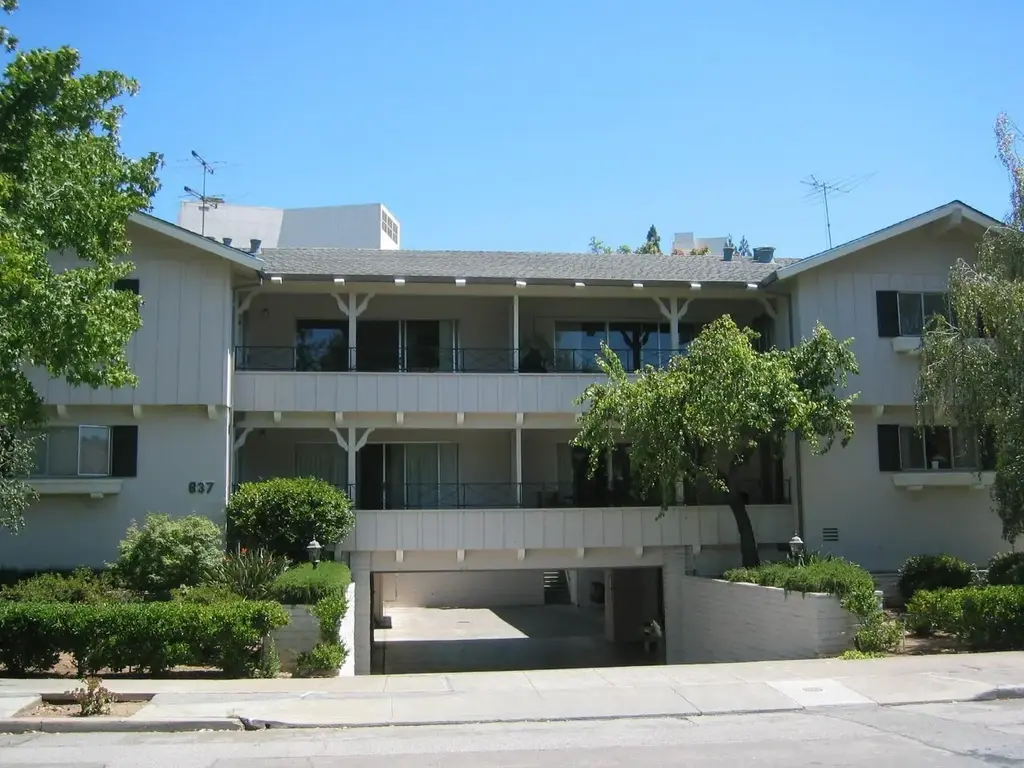
Browse Property For Sale in Neighborhoods & Communities Near Me
Available Real Estate Data is updated every 5 minutes, powered by MLSListings
Get a free Property Valuation. Check my 5 Star reviews on Google!
More About Multi-Residential Property for sale
Investing in Santa Cruz multifamily real estate requires a balance of high-capital entry and disciplined operational management. While the "barrier to entry" is steep, the market's resilience is anchored by an acute supply shortage and consistent demand from the tech and academic sectors.
Why Santa Cruz Remains Resilient
Despite broader economic shifts, Santa Cruz continues to be a "high-conviction" market for investors. As of early 2026, several factors reinforce this stability:
1. The Supply-Demand Imbalance
While state mandates (like the "Family Zoning Plan") are pushing for more density, new housing production still lags significantly behind the need. In Santa Cruz, the average vacancy rate remains remarkably low, often hovering near 2.4% to 3%. For an investor, this translates to minimal "lease-up" risk and high tenant retention.
2. Market Rent Dynamics
While the rapid rent spikes of the early 2020s have moderated, prices remain near historic highs. Average Rent (April 2026): Approximately $2,689 to $3,337 depending on the neighborhood and unit type.
Rent Growth: Santa Cruz and San Jose continue to see positive year-over-year rent growth (averaging 3% to 7% in prime submarkets), outperforming much of the national average.
3. Investment Math & Cap Rates
The "cost per unit" in the Bay Area and Central Coast is significant. In San Jose and Santa Cruz, average prices can exceed $400,000 to $488,000 per unit.
Cap Rates: In 2026, Santa Cruz multifamily cap rates typically range between 4.5% and 5.5%.
Leverage: With mortgage rates for investment properties trending toward 6.1%–7.5%, many deals are currently seeing "negative leverage." This means investors are prioritizing long-term appreciation and equity growth over immediate high cash flow.
Navigating the Regulatory Landscape California’s regulatory environment is a core operational factor in 2026. Successful investors are no longer just "landlords" but "compliance managers."
Statewide Rent Caps: Annual increases are strictly limited by California law (AB 1482 and subsequent updates).
Tenant Protections: Recent 2025-2026 legislation has further capped security deposits and expanded eviction protections.
Zoning Wins: Keep an eye on the Richmond and Sunset districts in SF and Downtown/Westside in Santa Cruz, where new "up-zoning" laws allow for four-plexes or higher density on traditional lots.
Strategic Acquisition Tips Target "Value-Add" B-Class Assets: Properties built 15–25 years ago in stable neighborhoods (like the Eastside or Beach Hill) often offer the best balance of risk and upside.
Focus on DSCR: Lenders are scrutinizing the Debt Service Coverage Ratio (DSCR) more than ever. Most banks in 2026 require a minimum DSCR of 1.20x to 1.25x.
Off-Market Opportunities: Given the high cost of listed assets, the most successful 2026 acquisitions often happen through private networking or finding distressed owners who are struggling with new compliance requirements.
Key Takeaway: While the initial capital requirement is high—potentially tens of millions for a mid-sized complex—the Santa Cruz market acts as a "safe haven" for capital due to its structural inability to oversupply
How do occupancy rates of multi-family properties influence the overall cash flow potential compared to other types of real estate investments?
Multi-family real estate actually offers surprisingly easy financing compared to single-family homes. The reason is simple: Multi-family properties throughout the Bay Area generate much larger monthly cash flow since the units are mainly occupied, even if only partially rented. This steady income makes lenders view multi-family real estate as a less risky investment. As a result, financing multi-family properties is easier than single-family homes. For investors focused on portfolio growth, multi-family real estate provides an easier path forward.
Purchasing a single-family home means investing in just one property, while buying an apartment building allows you to acquire multiple units through a single transaction. Though the prospect of managing several properties at once can seem daunting, investing in a multi-family building does not necessitate handling everything yourself. Hiring a professional property manager allows you to oversee an entire real estate portfolio while maintaining your normal routine.
In what ways do the unique characteristics of multi-residential properties make them appealing?
Multi-residential properties in Santa Cruz County represent a unique and versatile real estate opportunity for investors and homeowners alike. These properties, which can range from duplexes and triplexes to larger apartment complexes, offer a chance to capitalize on the vibrant and in-demand housing market of this scenic coastal region. Located along the rugged shores of the Monterey Bay, Santa Cruz County is renowned for its natural beauty, thriving arts and culture scene, and top-tier educational institutions - all of which contribute to a robust rental market fueled by students, young professionals, and families seeking the California coastal lifestyle.
What strategies can investors employ to maximize their passive income from rent collection in multi-residential buildings?
Multi-residential buildings in this area provide the chance to generate reliable passive income through rent collection, while also offering the potential for property value appreciation over time as the region continues to grow and evolve. At the same time, multi-unit properties can serve as primary residences, with owners occupying one unit while renting out the others - an increasingly popular model that allows for both personal use and investment income. Whether acquired as pure investment vehicles or as hybrid owner-occupied dwellings, multi-residential properties in Santa Cruz County present a compelling option for those looking to stake a claim in this highly desirable corner of coastal California.
Whether your goal is developing single-family homes, multifamily communities, mixed-use projects, industrial facilities, office buildings, retail centers, or master-planned communities, I can help you identify opportunities, evaluate development potential, and connect you with the professionals needed to move your project from raw land to a successful completed development.