


For mid-career professionals, new parents, and adult children supporting aging relatives, relocating near family can feel like a lifeline and a risk at the same time. The core tension is clear: strengthening emotional well-being through closer support while maintaining independence in daily choices, privacy, and decision-making. A shorter drive can also reshape family dynamics, bring intergenerational living into the conversation, and change work-life balance in ways that aren’t obvious at first. The goal is to make the move feel steady, respectful, and sustainable.
Plan the Move: A Setup for Space and Stability
A move closer to family works best when you treat it like a life system, not just a new address. Use this checklist to protect your time, your relationships, and your career while you settle in.
- Choose a “right-fit” neighborhood with a 5-item scorecard: Pick five criteria and rate each area from 1–5 before you fall in love with a listing: commute time, walkability/transit, noise level, access to essentials (groceries, pharmacy, gym), and “buffer distance” from family. Do two visits, one weekday evening and one weekend morning, to see parking, traffic, and vibe. This keeps you aligned with the priorities and family dynamics you already know can get complicated.
- Decide urban vs. suburban by designing a typical week: Write a simple “ideal week” on paper: where you work, exercise, run errands, and see family. Cities often offer convenient access to amenities like shops and public transportation, which can reduce car dependence and time spent coordinating plans. Suburbs can mean more space and quieter routines, but usually more driving, so build travel time into your boundaries and your budget.
- Set boundaries before you unpack the last box: Create two or three default rules you can repeat kindly: “We do Sunday dinner twice a month,” “Drop-bys only if we confirm first,” or “Weeknights are for work and recovery.” Put them in writing for yourself, not as a contract for others, your goal is consistency. When expectations are clear early, you’re less likely to slide into obligations that feel like you’re losing yourself.
- Protect career continuity with a 30–60–90 day work plan: Before moving, confirm your work setup in writing: remote/hybrid schedule, core hours, and any travel expectations. In the first 30 days, lock your daily start/stop times; in 60 days, schedule two networking coffees (local or virtual); in 90 days, ask for a performance check-in. This keeps your career moving even while your family life becomes more present.
- Map your “community resources triangle” within 15 minutes of home: Identify one health resource (clinic/urgent care), one practical support (library, community center, adult education), and one connection point (faith group, volunteering, recreation league). Tour them in the first two weeks so you’re not relying on family for every need. Independence grows faster when you have options besides “call a relative.”
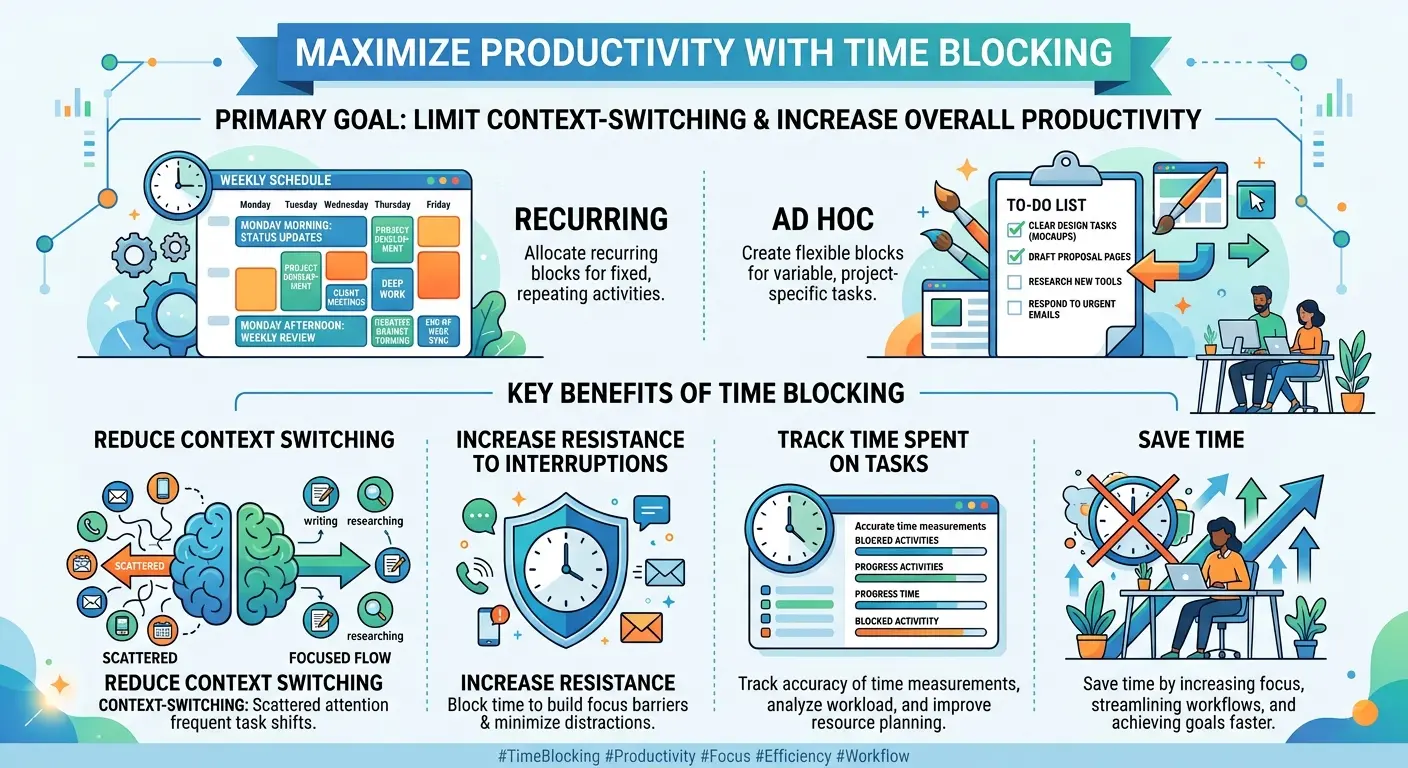
- Use time-blocking to prevent family closeness from becoming time sprawl: Block three categories on your calendar: family time, personal time, and admin time. Keep a weekly “buffer block” (60–90 minutes) for surprise needs, rides, appointments, errands, so help doesn’t consume your workdays. When your week has structure, saying yes becomes a choice, not a default.
- Build a well-being routine that travels with you: Choose one non-negotiable habit you can do anywhere, like a daily walk. The simple reality that you can find parks or some green space in both cities and suburbs makes this an easy anchor routine during a disruptive season. A stable personal routine reduces resentment and helps you show up to family time with more patience.
Turn the Relocation Into a Career Reset You Actually Want
Once you’ve handled the logistics and boundaries that make the move sustainable, you can use the transition to reassess what you want your work to look like next. Changing careers during a relocation can be a genuine fresh start, one that lets you align professional goals with personal priorities like being near family while still protecting flexibility, growth, and independence. This is especially relevant right now: studies suggest that as burnout and job dissatisfaction rise, many employers are leaning more on external hiring rather than developing the talent they already have, which can widen skills gaps and limit growth for both workers and organizations.
In that environment, a move can be your moment to clarify what matters most, identify the skill gaps you want to close, and rebuild your professional network in your new area with intention. If you want credible guidance as you explore options and barriers to advancement, you can tap into professional development resources to help you map development paths that fit your next chapter.
Habits That Keep You Close and Self-Directed
Habits matter because they turn good intentions into automatic follow-through. When you repeat a few simple routines, you can show up for family consistently while protecting your time, privacy, and career momentum.
Weekly Calendar Lock-In
- What it is: Block family time, solo time, and work tasks before accepting new plans.
- How often: Weekly Why it helps: You stay available without letting others set your schedule.
The Three-Sentence Update
- What it is: Share what’s new, what you need, and your next step.
- How often: Twice weekly
- Why it helps: Clarity reduces misunderstandings and emotional pileups.
Time-Blocked Deep Work
- What it is: Use a time blocking approach to batch focused tasks into one protected slot.
- How often: 3 to 5 times weekly
- Why it helps: Progress stays visible even when family needs pop up.
Five-Minute Stress Reset
- What it is: Do breathing, a short walk, or stretching when tension spikes.
- How often: Daily
- Why it helps: Since Americans report frequent stress, quick resets can protect your patience.
Monthly Independence Check
- What it is: Review boundaries, spending, and alone time, then adjust one thing.
- How often: Monthly
- Why it helps: You prevent small compromises from becoming permanent defaults.
Questions People Ask Before Moving Closer to Family
Q: How do I manage family expectations without sounding selfish?
A: Name what you can offer and what you cannot, using specific limits like nights per week or response times. Keep the tone calm and consistent, and repeat the same message when pressure returns. If it helps, put plans in writing through a shared calendar so “availability” is not up for debate.
Q: What boundaries matter most when relatives expect drop-ins?
A: Start with two basics: visiting hours and privacy rules for your home and work time. Decide what requires a text first, what is always a no, and what is flexible. Then practice one simple phrase like, “Now isn’t a good time, how about tomorrow at 6?”
Q: How can I handle conflict without turning it into a family blowup?
A: Agree on rules or customs that keep talks respectful, such as no interruptions and one topic at a time. When tension rises, pause and propose a restart time so nobody argues while flooded. If patterns repeat, ask for a neutral third party like a counselor or mediator.
Q: Can I stay socially connected while becoming more available to family?
A: Yes, but you need visible defaults: a standing friend night, a recurring hobby, or a monthly outing. Tell family those commitments are part of your wellbeing, not “extra.” Invite relatives into one occasional activity so it feels additive, not competitive.
Q: Should I think about legal and practical details before relocating closer?
A: Yes, especially if caregiving may become part of the arrangement. Ask early about leases, co-signing, shared bills, medical decision paperwork, and whether anyone expects you to be an official caregiver. A short consultation with an attorney or social worker can prevent unclear obligations later.
Build Lasting Family Closeness While Protecting Your Independence
Moving closer to family often brings a real tug-of-war between belonging and keeping independence, routines, and career and life balance intact. The steadier path is a clear, values-led reset: embrace change, set expectations early, and use simple family engagement strategies that leave room for personal growth after moving. When those pieces align, day-to-day contact becomes supportive instead of draining, and long-term relationship building feels natural rather than forced. Connection works best when boundaries and consistency stay nonnegotiable.
Guest post by Michael Longsdon
Elder Freedom is an organization of advocates working for the older adults of our community. It is our mission to help locate resources, events, and engagement opportunities to help enrich the lives of seniors.
Posted by Paul Burrowes onEnjoy this blog post? Click here to subscribe for updates
Leave A Comment