
For homeowners selling property in a competitive market, the hardest part often isn’t deciding to move, it’s making a home stand out without sinking time and money into a stressful remodel. Real estate market trends reward homes that feel cared for, clear, and easy to picture living in, even when the bones are solid and the budget is tight. The core tension is simple: increasing perceived home value needs to happen fast, but costly renovations can shrink profit and add risk. With the right focus on affordable home improvements, selling a house can feel more in control.
Understanding Perceived Value in Home Selling
Buyer decisions start with perception, not spreadsheets. Strong first impressions, smart staging, and clear presentation help people understand the space quickly and imagine their life there, which can matter more than a pricey remodel. Many agents report that staging a home made it easier for buyers to envision the property as their future home.
This matters because buyers pay a premium for “move in ready” confidence, even when the updates are mostly cosmetic. The cost vs value equation often rewards targeted polish that removes doubt, while big projects can eat profit and delay listing.
Think of it like selling a car: a deep clean, good photos, and simple fixes beat rebuilding the engine. Even exterior upgrades can outperform expectations, with garage door replacement recouping 267.7% in one cost vs value report. Virtual staging images make it easier to test what kind of polish will read best to buyers.
Mock Up Staging Looks With AI Before You Spend
When first impressions do the heavy lifting, it helps to see your options before you buy a single pillow or gallon of paint. AI image-generation tools can let you “stage” a space virtually so you can test low-cost presentation upgrades before your home hits the market. Using a text-to-image tool, you write a description of the room you want to improve, then generate multiple image variations to explore different décor concepts and even alternate room layouts. That quick comparison can reveal which small changes are most likely to create the strongest visual impact, without committing to expensive renovations.
The real advantage is iteration: you can refine what you see by adjusting the style (modern, traditional, coastal), lighting (bright morning vs. warm evening), color palette, mood, and composition to match the feeling you want buyers to get when they walk in. Many tools also allow you to incorporate reference images so the results stay grounded in the look of your actual space while still showing fresh directions. If you want a simple way to generate and tweak these concept images from written prompts, the Adobe Firefly AI Picture Generator is one option to explore. Once you’ve narrowed down a look that consistently photographs well, you’ll be ready to apply the most effective fixes room by room.
Use This Room-by-Room Fix List to Win Buyers
A buyer’s first impression is usually built from dozens of small signals, not one dramatic renovation. Use the staging looks you mocked up with AI as your “north star,” then spend only on the fixes that help the home look brighter, feel larger, and function smoothly.
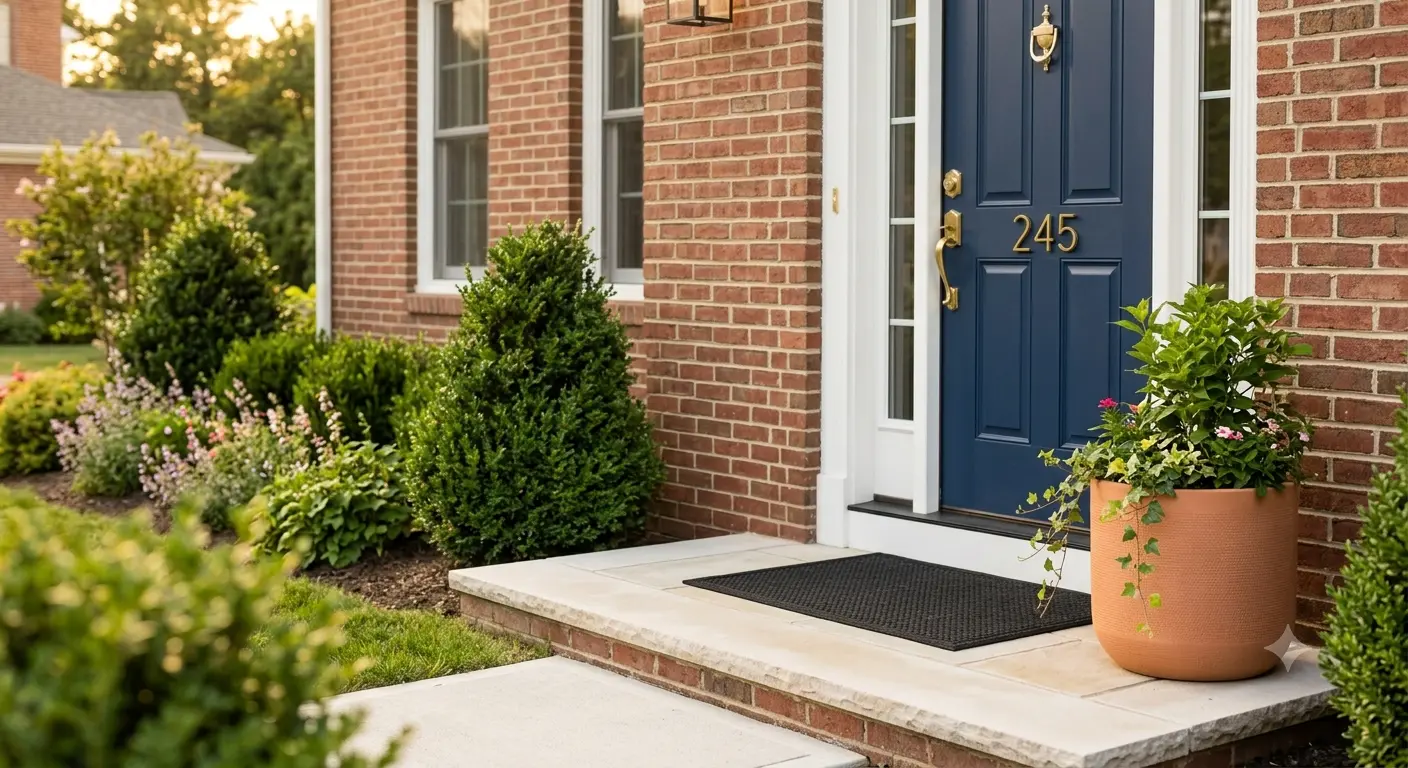
- Front-door curb appeal sweep (30–60 minutes): Clear the approach: sweep the walkway, edge the driveway, weed the first 6–10 feet of beds, and power-wash just the stoop if needed. Add one simple focal point, fresh doormat, clean house numbers, or a single planter, so photos read “cared for” instantly. If your AI mockups leaned modern, swap dated porch lights or hardware to a clean, simple finish for a fast style match.
- Entry + living room declutter “sightline rule”: Stand at the front door and remove anything that breaks the main sightlines (shoe piles, bulky chairs, stacks of mail, extra side tables). Buyers mentally measure spaces by what they can see at a glance, so open walkways and fewer surfaces make rooms feel larger. Corral everyday items into two baskets, one for “showings” by the door and one for “daily living” that goes into a closet or car trunk.
- Lighting reset: bulbs, shades, and placement: Replace mismatched bulbs with the same color temperature throughout main areas so the home feels consistent from room to room. Clean dusty shades and glass, then aim for three light sources per main room (overhead, task, and a lamp) to eliminate shadows that make spaces feel smaller. If your AI staging shows brighter corners, mimic it by adding one floor lamp behind seating or in a dark corner rather than relying on a single ceiling fixture.
- Walls and trim touch-ups that read “move-in ready”: Patch nail holes, spot-prime scuffs, and paint high-visibility areas first, front entry, hallway, and the room shown in your first listing photo. Many sellers do this because it’s high impact for the cost; data shows many sellers painted their entire home or at least one key room before listing. Keep colors light and neutral so buyers focus on the layout and natural light, not personal style.
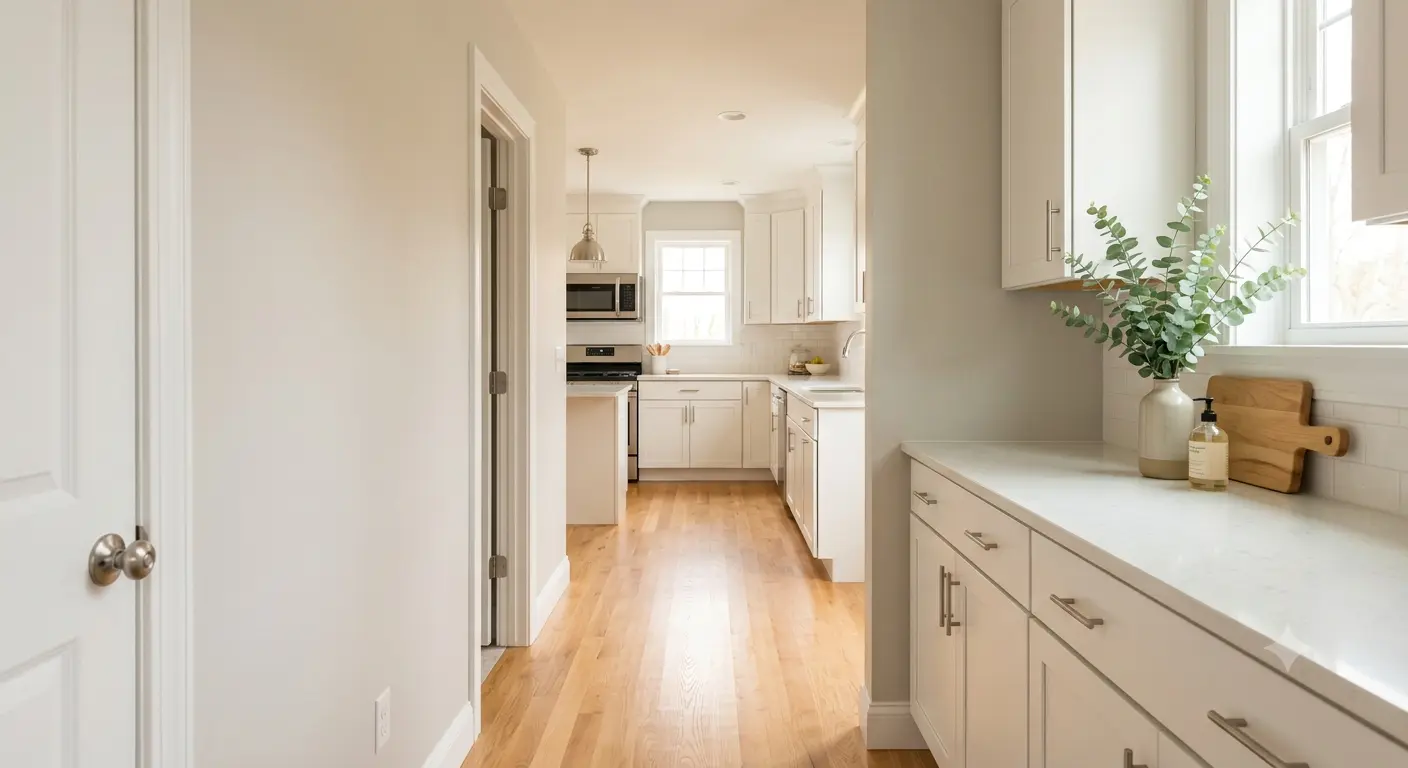
- Kitchen and bath mini-upgrades (not remodels): Skip big tear-outs and target “touch points”: replace a few dated cabinet pulls, fix a loose faucet handle, re-caulk around tubs and backsplashes, and deep-clean grout. Stage counters like a showroom, one soap dispenser, one cutting board, one small plant, because clutter makes buyers assume storage is lacking. This approach is especially sensible when a full kitchen remodel is far beyond what most listing timelines and budgets can absorb.
- Functional home updates: fix what buyers will test: Walk the house as if you’re a buyer and try everything, sticky doors, wobbly toilet seats, squeaky hinges, slow drains, missing outlet covers, broken blinds. These are inexpensive repairs, but they signal maintenance habits and reduce “What else is wrong?” objections. Make a weekend punch list, keep receipts, and note the fixes so you can answer questions confidently during showings.
Home-Selling Questions Sellers Ask Most
- Q: What do buyers actually notice first if I skip a remodel?
- A: Buyers clock cleanliness, light, and flow before they judge finishes. If the home feels easy to walk through and everything works, they relax and start picturing their life there. Do a fast “photo test” with your phone to spot dark corners, clutter hot spots, and distracting colors.
- Q: How do I know when staging is enough versus when I should renovate?
- A: Staging is enough when the space is dated but functional and well maintained. Renovation makes more sense when something is visibly broken, unsafe, or likely to fail an inspection, like active leaks or failing electrical. When in doubt, fix defects first, then style the rest.
- Q: Should I replace major items like a garage door before listing?
- A: Only if it is dented, noisy, or dragging down curb appeal in photos. Some exterior swaps can pay off strongly, and Garage Door Replacement: Job Cost $4,672, Value at Sale $12,507, Cost Recouped 267.7% shows why it is worth pricing out. If yours is structurally fine, a deep clean and updated hardware may be enough.
Schedule Three High-Impact Updates to Sell Stronger This Week
It’s easy to feel stuck between wanting to maximize sale price and not wanting to pour money into renovations that may not pay back. The more reliable path is a mindset of strategic home presentation: focus on impactful property improvements that reduce buyer doubts and spotlight what already works. When those choices are made deliberately, the home reads as cared-for and move-in-ready, which supports stronger offers without overspending. Presentation sells confidence, and confidence sells homes for more.
Guest post by Michael Longsdon
Elder Freedom is an organization of advocates working for the older adults of our community. It is our mission to help locate resources, events, and engagement opportunities to help enrich the lives of seniors.
Posted by Paul Burrowes onEnjoy this blog post? Click here to subscribe for updates
Leave A Comment