
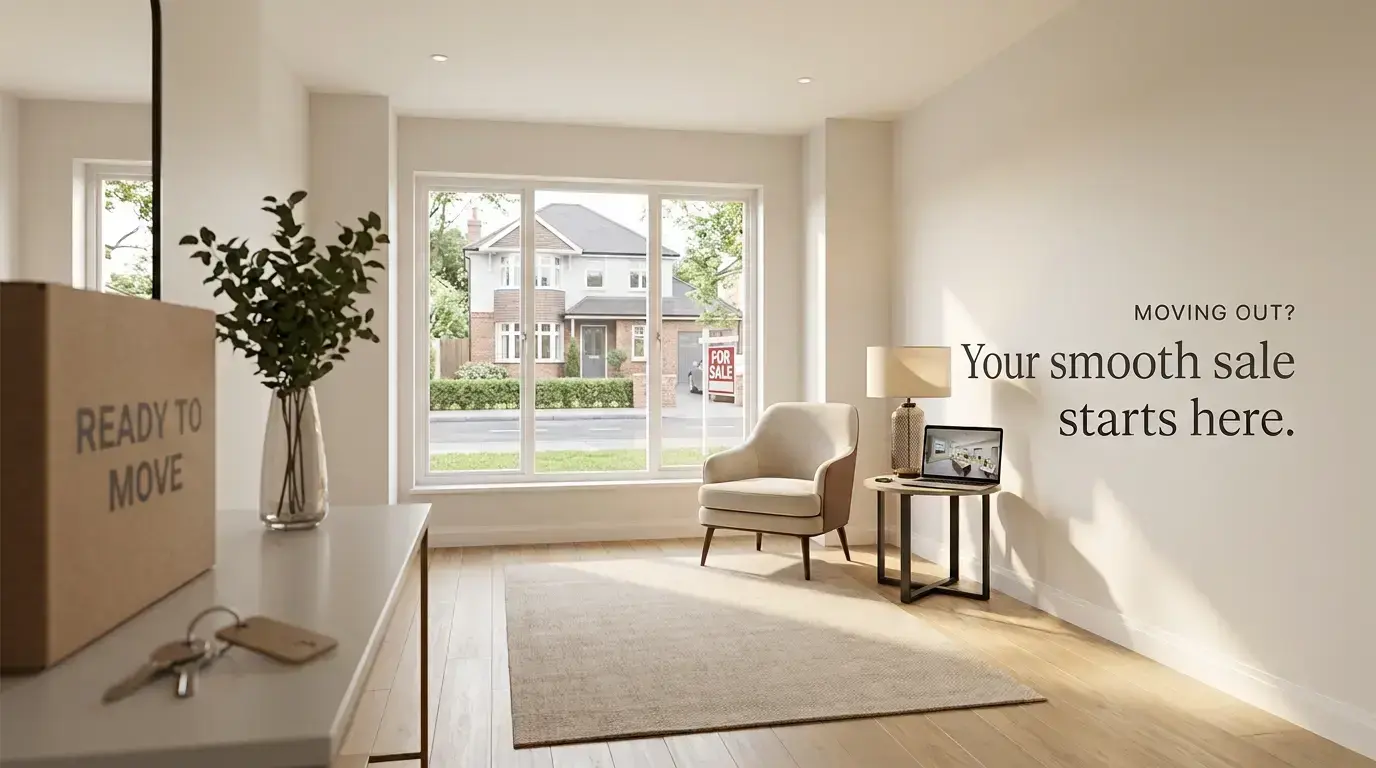
For home sellers after moving out, whether for a new job, a bigger place, or a fresh start, selling a house that’s sitting empty brings a different kind of pressure. A vacant home sale can turn into a constant stream of offsite home selling issues: managing remote property sales, coordinating showings and repairs from afar, and worrying about security and small problems that grow when no one is there daily. There’s also the emotional impact of selling, because it’s harder to feel confident about a home’s condition and market appeal when it’s no longer part of everyday life. With the right approach, the process can feel controlled again.
Use 7 Remote-Sale Tactics to Cut Costs and Attract Buyers
Selling a vacant home from a distance is doable, but only if you run it like a short, tightly managed project. These remote home sale strategies help you control carrying costs, prevent small issues from turning into delays, and keep buyer interest high.
- Build a “carrying-cost” dashboard and review it weekly: List your non-negotiables (mortgage, taxes, insurance, utilities, lawn/snow) and assign each a monthly cap, then set a 10-minute calendar block every week to check balances and due dates. This simple cost management in home selling prevents the classic vacant-home trap: paying for problems you didn’t know existed. Add one “surprise” line item (even $150–$300/month) for last-minute repairs or extra trips.
- Create one point of contact and a vendor bench: Remote coordination breaks down when three different people are calling the locksmith, cleaner, and landscaper. Pick one local “boots-on-the-ground” contact, often your agent, a trusted neighbor, or a property manager, and give them written permission to access the property and approve small fixes up to a set limit. Keep a short bench of pre-vetted vendors (cleaning, yard, handyman, HVAC) so you’re not scrambling when a buyer requests a quick re-clean or a smoke detector chirps during a showing.
- Use a lockbox + photo verification for every visit: For sale process efficiency and security, require that every vendor and inspector confirms arrival and departure with time-stamped photos (front door locked, thermostat set, lights off). This reduces those “Did anyone close the window?” worries that come with a vacant property. It also creates a clean record if a neighbor reports something odd or a buyer claims a condition changed.
- Turn virtual home showings into your primary screening tool: Ask your agent to offer a high-quality 3D walkthrough and a live video showing for serious buyers before scheduling in-person access. Many sellers see a 3D tour as a differentiator, Matterport reports 99% of home sellers say a 3D tour would give their listing a competitive edge. This approach limits unnecessary foot traffic while still keeping out-of-town buyers engaged.
- Stage lightly and deliberately to increase buyer attraction: Vacant rooms often photograph cold and smaller than they are, so consider “mini staging” in the key areas buyers judge hardest: living room, primary bedroom, dining area. Even just a few correctly scaled pieces and better lighting can improve listing photos and showing experience. Data suggests homes that are staged are 40% more likely to get an in-person showing, which matters when every extra week vacant adds costs.
- Preempt negotiation killers with a pre-list inspection and a repair triage plan: A vacant home can hide issues until buyers are already under contract, then the timeline and emotions get messy. Consider a pre-list inspection, then sort findings into (a) safety/functional fixes you’ll do now, (b) items you’ll price in, and (c) items you’ll disclose and leave. This keeps the deal moving and helps your agent answer objections quickly.
- Offer a “ready-to-close” package for smoother offers: Compile receipts, utility averages, HOA docs, permits, and any repair warranties into a shared folder your agent can send to qualified buyers. Include a simple move-out status note (when utilities were last checked, when the home was last cleaned, who maintains the yard). Clear documentation reduces back-and-forth, shortens due diligence, and pairs well with buyer-friendly protections that lower perceived risk.
Add an Agent-Led Home Protection Plan to Boost Buyer Confidence
Once you’ve made remote selling more efficient, the next win is lowering the perceived risk of buying a vacant home. Ask your real estate agent about adding a listing-period protection plan or warranty so cautious buyers feel covered if something unexpected shows up after inspections. Framed the right way, it can make the home more attractive by reducing “what if” anxiety and giving you a clean, practical talking point when negotiation pressure rises. Your agent can also explain what’s included and how to present it in the listing and offer conversations, like a home warranty for realtors, so it supports the sale rather than complicates it.
Vacant-Home Selling Questions Buyers Actually Ask
- Q: Will buyers assume something’s wrong if the home is empty?
- A: Some will wonder why it’s vacant, so answer it early with simple context like “relocated for work” or “already moved into the next home.” A clean, well-lit property with current maintenance records signals normal ownership, not a hidden problem. Ask your agent to include a short “why it’s vacant” line in the listing remarks.
- Q: How do I reduce worries about a vacant home sitting unused?
- A: Buyers worry about deferred upkeep, so show a recent service trail: HVAC tune up, pest check, and a basic plumbing run. Because plumbing systems can be affected by inactivity, set a schedule to run water and flush toilets weekly or have a caretaker do it.
- Q: Can I sell smoothly if I’m out of state and cannot attend showings?
- A: Yes, if access is easy and predictable. Use a smart lock or lockbox, keep a standing showing window, and have a local point person for emergencies. Remote notarization and mobile closers can also keep signing simple.
- Q: Should I leave the utilities on in a vacant property?
- A: In most cases, yes. Power and water allow inspections, help prevent humidity or freezing issues, and keep the home feeling “alive” during showings. If you must shut something off, disclose it clearly and offer a plan for turning it back on for inspections.
- Q: What’s the best way to respond when buyers ask for a big discount because it’s vacant?
- A: Stay calm and point to facts: recent comps, documented upkeep, and any preventative steps you took while it was empty. Offer reasonable solutions like a credit for minor updates or a short closing timeline rather than conceding price without support.
Vacant-Home Sale Readiness Checklist
This quick checklist turns a remote sale into a simple, trackable plan. Use it to stay ahead of buyer concerns, prevent small issues from growing, and keep showings and closing on schedule.
- ✔ Confirm your listing explains why the home is vacant.
- ✔ Document recent service work and keep receipts in one shared folder.
- ✔ Schedule weekly water runs, toilet flushes, and a quick walk-through.
- ✔ Set reliable access with a lockbox or smart lock and clear showing windows.
- ✔ Maintain utilities and basic climate control for inspections and comfort.
- ✔ Stage light, clean photos and refresh bulbs, filters, and entry touchpoints.
- ✔ Prepare a response plan for price pressure using comps and repair credits.
Check these off, and your vacant home will present like a cared-for, easy purchase.
Lock In a Remote-Sale Plan for a Faster Vacant Closing
Selling a vacant home after moving out can feel risky, small delays, missed details, and spotty communication can quietly cost time and money. The approach here is simple: treat remote selling as a managed project, lean on supportive sales strategies, and keep decisions moving with clear roles and checkpoints. When that’s in place, the benefits of remote selling show up fast: cleaner showings, fewer surprises, smoother negotiations, and steadier progress toward closing. Remote selling works best when the plan is clear and the follow-through is consistent.
Guest post by Michael Longsdon
Elder Freedom is an organization of advocates working for the older adults of our community. It is our mission to help locate resources, events, and engagement opportunities to help enrich the lives of seniors.
Posted by Paul Burrowes onEnjoy this blog post? Click here to subscribe for updates
Leave A Comment