
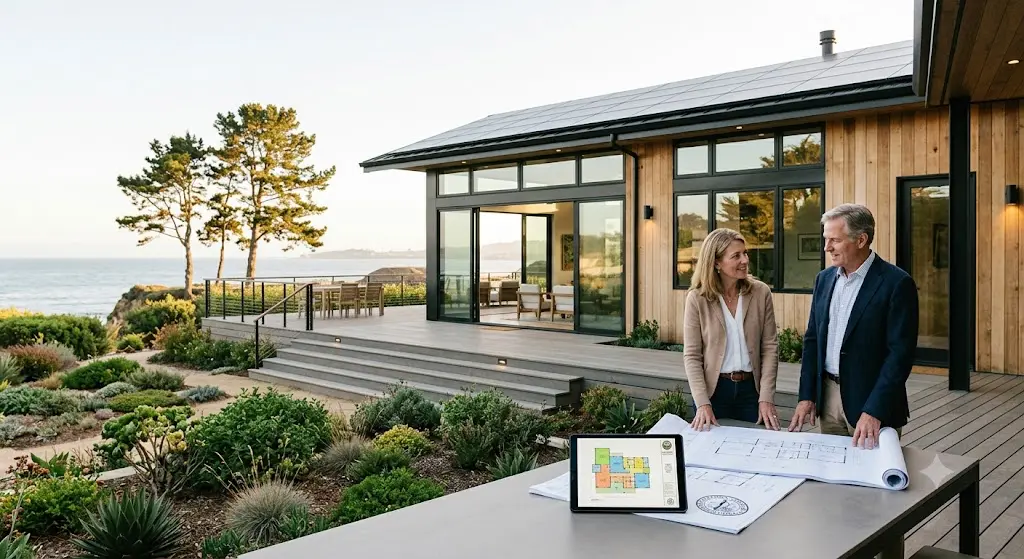
In the high-stakes Santa Cruz real estate market, a single oversight in your remodel can instantly erase a significant portion of your projected equity. With the average full gut renovation now costing between $200 and $500 per square foot, avoiding renovation pitfalls is no longer just a preference; it's a financial necessity. You likely view your home as a sanctuary and a cornerstone of your long-term wealth, yet the anxiety of navigating California’s detailed permitting processes or over-capitalizing in a shifting market is a persistent reality. Protecting your capital requires more than just aesthetic choices. It demands a structured approach to strategic planning and market value.
This guide provides the professional foresight required to navigate these complexities and protect your investment. We'll help you align your vision with the latest 2026 Title 24 energy standards and mandatory SB 721 safety certifications. Our expertise in land development consulting and investment property analysis ensures a smooth transition from blueprint to finished project. We’ll explore the essential regulatory milestones and financial benchmarks that transform a complex construction project into a lasting asset for your future residential property sales strategy.
Key Takeaways
- Distinguish between personal lifestyle upgrades and high-yield market improvements to ensure your project remains a viable asset for future residential property sales.
- Master the art of avoiding renovation pitfalls by aligning your architectural vision with the specific regulatory requirements of the Santa Cruz County Planning Department and the Coastal Commission.
- Protect your capital by implementing a structured budget framework that distinguishes between hard and soft costs while maintaining a non-negotiable 20% contingency fund.
- Secure the long-term integrity of your assets by utilizing professional land development consulting to proactively manage complex site constraints and ensure regulatory compliance.
- Adopt a strategic perspective by using investment property analysis to select upgrades that enhance valuation and provide a distinct competitive advantage in the local market.
The Strategic Foundation: Moving Beyond Aesthetic Desire
In the current Santa Cruz economic climate, a successful renovation begins long before the first contractor arrives on site. It requires a fundamental shift in perspective, moving from purely aesthetic desires to a disciplined focus on long-term property value. Property owners often fall into the trap of over-capitalizing—spending far beyond what the local market can return in equity. In 2026, with gut renovations in Santa Cruz County reaching costs between $200 and $500 per square foot, the margin for error has narrowed significantly. A strategic approach to avoiding renovation pitfalls involves distinguishing between lifestyle upgrades, which cater to personal taste, and market-driven improvements that enhance the property's terminal value. Every remodel should be evaluated as a calculated allocation of capital.
Aligning your vision with long-term appreciation requires a thorough assessment of the local landscape. While the average home remodeling cost in Santa Cruz currently ranges from $39,738 to $57,615, high-end projects can easily exceed $100,000 for a single kitchen. Without a realistic feasibility study, you risk creating an over-improved home that is too expensive for its neighborhood. True foresight means understanding how a specific improvement will impact your future property tax assessment. Since Santa Cruz County generally only reassesses the value of new construction or additions, focusing on high-impact cosmetic updates can be a more tax-efficient way to build equity.
Defining Your Renovation Objectives
Success starts with establishing clear Key Performance Indicators (KPIs). Is the goal immediate personal comfort or a maximized future resale price? If your primary objective is the latter, your decisions must align with a practical residential property sales strategy that accounts for 2026 buyer preferences. A common financial guideline suggests avoiding expenditures exceeding 30% of your home's current market value unless you intend to remain in the residence for a decade or more. Gaining a deep understanding of the renovation process allows you to evaluate if your property is a candidate for a major overhaul or if a more conservative approach is required. It's about protecting your financial foundation through data-driven decisions.
The Risk of Inadequate Pre-Planning
Adopting a "design-as-you-go" methodology is the most direct path to unexpected cost overruns. This lack of foresight leads to mid-project surprises, such as discovering structural constraints that require expensive engineering workarounds. Strategic pre-planning involves identifying these hurdles early. Consulting with experts in land development or investment property analysis can validate your project’s scope before physical work begins. By identifying challenges early, avoiding renovation pitfalls becomes a proactive strategy rather than a reactive struggle. Precision in the planning phase is the ultimate safeguard for your real estate investments, turning a potentially chaotic process into an organized project.
Navigating the Regulatory Landscape of Santa Cruz County
The regulatory environment in Santa Cruz County requires careful attention to detail that goes beyond simple permit filing. For coastal properties, the California Coastal Commission adds a layer of oversight that can extend project timelines. Successfully avoiding renovation pitfalls in this region requires a clear understanding of the overlapping jurisdictions between city, county, and state authorities. As of January 1, 2026, updated Title 24 building codes mandate all-electric heat pumps for space and water heating in most major remodels. Ignoring these updates doesn't just invite fines; it can compromise the future resale value of your home. Treating regulatory compliance as a core component of risk management ensures your property remains a safe and marketable asset.
The financial implications of the permitting process are substantial. For project valuations exceeding $2,000, the City of Santa Cruz charges a base fee of $327 plus $14 for every additional $1,000 in value. When you factor in the County's 7% General Plan surcharge and the 6% Technology and Facilities surcharge, the "soft costs" of a renovation can add up quickly. Property owners must also account for the SB 721 inspection regulations. If your multifamily building has exterior elevated elements like balconies, failure to have a licensed professional certify their safety can lead to severe non-compliance penalties. Accuracy in these early stages prevents unpermitted work from complicating a future title transfer.
Permits, Zoning, and the Entitlement Process
Securing the necessary entitlements requires a clear plan for zoning and land use. While state law requires local agencies to act on ADU applications within 60 days, local zoning still dictates footprint and height restrictions. In Santa Cruz County, ADUs under 750 square feet are exempt from impact fees, representing an efficient opportunity to add functional space. Navigating these details often requires specialized land development consulting to resolve site challenges. If you are uncertain how local ordinances affect your specific parcel, working with a strategic team can help clarify your options.
The Risk of Non-Compliance
Unpermitted renovations are a primary reason why real estate transactions stall during the inspection phase. Attempting to obtain retroactive permits is an arduous process; the current hourly rate for a project planner's time on "At Cost" discretionary permits is $242.18 plus surcharges. Beyond the legal hurdles, insurance providers frequently deny claims for damages resulting from work performed without proper permits. Maintaining high standards for renovation safety and compliance ensures your property remains fully protected legally and financially. By avoiding renovation pitfalls through strict adherence to 2026 standards, you preserve both the safety of your home and the health of your overall finances.
Financial Discipline: Avoiding the Budgetary Abyss
Establishing a clear financial framework is essential to safeguard your capital against the unpredictable nature of the construction market. A primary strategy for avoiding renovation pitfalls involves a detailed separation between hard costs (physical labor and materials) and soft costs (architectural fees, engineering reports, and municipal surcharges required by Santa Cruz County). Many property owners underestimate these ancillary expenses, which can account for 15% to 25% of the total investment. By categorizing every dollar from the outset, you stay in control of the project. Clear budgeting is a simple, effective defense against eroding your property's equity.
A 20% contingency fund is a practical requirement for any major home project. Santa Cruz’s coastal geography, floodplains, and Wildland-Urban Interface zones often reveal hidden structural or environmental conditions once demolition begins. This reserve acts as a financial buffer, ensuring that a project doesn't stall due to unexpected site conditions. Scope creep—adding minor projects along the way—can quietly inflate your budget. Every change to the original plan should be evaluated against its potential to add real value to the property. Discipline in this area keeps your project focused and on budget.
High-ROI Improvements vs. Sunk Costs
Homeowners should prioritize improvements that appeal to current market demand. Kitchen modernizations in Santa Cruz frequently range from $40,000 to over $100,000, but the return on investment is only realized if the design appeals to a broad audience. Over-customized finishes often turn into sunk costs that future buyers may not want to pay for. Comparing your projected renovation costs against anticipated equity gains helps keep the project financially practical within your broader investment plans.
Managing Labor and Material Costs
Locking in material pricing during the design phase helps guard against mid-project price increases. While shifting interest rates in 2026 may offer favorable financing terms, higher local demand for skilled labor can push contract prices up. Vetting your team thoroughly is essential for keeping costs under control. The Federal Trade Commission offers helpful guidance on avoiding contractor scams, which is a key step in protecting your budget. Maintaining clear oversight ensures your funds are spent efficiently.
Selecting and Managing Your Project Team
The team you hire is one of the most critical factors in managing project risk. While regulatory and financial plans are important, executing your project relies entirely on the quality and reliability of your trade partners. A cornerstone of avoiding renovation pitfalls is recognizing that the lowest bid often carries hidden costs down the road. In the Santa Cruz market, a surprisingly low estimate can indicate a lack of proper insurance or a failure to account for 2026 Title 24 all-electric mandates. Choosing a contractor solely on price can lead to delays, change orders, and substandard workmanship.
Property owners generally choose between hiring a standard general contractor or working with a design-build firm. A design-build team provides a single point of contact, combining architectural design and physical construction under one roof. This model minimizes miscommunications between separate designers and builders, creating a smoother construction process. Regardless of the project structure, your contract should be tied to clear milestones, with payments released only after specific project phases are inspected and completed. This protects your cash flow and keeps the schedule on track.
Vetting Contractors Thoroughly
A careful vetting process helps confirm your team has the technical skills needed for high-quality home renovations. Check the status of every contractor's license with the California Contractors State License Board (CSLB) to verify insurance coverage and review any past citations. Speak directly with recent clients about the contractor's communication style and ability to stick to the agreed budget and contingency plan. If a contractor cannot provide local Santa Cruz references from the past two years, they may lack essential relationships with local inspectors and subcontractors.
Effective Project Management and Communication
Establishing weekly site visits allows you to monitor quality and ensure work matches the approved plans. A dedicated project lead serves as an effective liaison between your expectations and the realities on the job site. Regular communication is the best way to avoid unnecessary change orders. Every modification to the original scope should be recorded in writing with a clear cost breakdown before the work is done. This discipline ensures your renovation remains a planned financial decision rather than an emotional one.
Future-Proofing Your Investment
Future-proofing your property ensures that today’s upgrades maintain their value over time. It's a key part of avoiding renovation pitfalls, keeping your asset practical and attractive to future buyers. In the evolving Santa Cruz market, long-term home value is closely linked to energy efficiency and functional design. Integrating sensible smart home systems and universal design features expands your property's appeal across different age groups and lifestyles. This forward-looking focus protects your home against changing market expectations and simplifies the process whenever you decide to sell.
The 2026 California building codes have elevated the standards for modern residential properties. Mandatory all-electric heat pumps and Level 2 EV charger readiness for new single-family homes make energy efficiency a core element of home value. Well-insulated building shells and efficient HVAC systems lower monthly utility bills while supporting property valuations in a market that values sustainability. Selecting durable, low-maintenance materials keeps the home looking its best with minimal upkeep. Taking a proactive approach to home maintenance separates standard updates from long-lasting property improvements.
Sustainability as a Value Driver
Transitioning toward electric appliances and systems is a standard expectation under current 2026 energy codes. Prioritizing efficient insulation, modern windows, and heat pump technology helps your home comply with Title 24 guidelines while hedging against rising energy costs. Energy-efficient homes in Santa Cruz often attract strong buyer interest because they offer lower ongoing operating costs. Choosing materials that combine practical durability with classic aesthetics keeps your property in top condition for years to come.
Final Steps: From Completion to Market Readiness
Transitioning from an active construction zone back into a finished residence requires a thorough closing process. Walk through the space to ensure every item on your final punch list is completed with care. Obtaining signed unconditional lien releases from all subcontractors is a vital step to ensure there are no future financial claims against your title. Once the work is finished, updating your home's valuation helps quantify the equity added. Consulting with a local real estate professional at this stage gives you a clear picture of your property's updated position in the market.
Securing Your Property’s Future with Strategic Foresight
A successful renovation in the Santa Cruz market relies on careful planning, clear budgeting, and solid execution. By balancing regulatory compliance with financial discipline, you turn a major construction project into a durable, valuable asset. Mastering the art of avoiding renovation pitfalls requires balancing functional updates with a sensible contingency budget to handle unexpected site conditions. Your home is both a primary residence and a key financial asset that benefits from thoughtful oversight.
Navigating home renovations is easier with an experienced local guide. Paul Burrowes brings decades of direct expertise in Santa Cruz real estate, land use, and local zoning. In partnership with David Lyng Real Estate, our team offers practical advisory services designed to help you maximize your property's value in the current market. Contact Paul Burrowes for a Strategic Property Analysis to ensure your next renovation project is well-planned, cost-effective, and successful.
Frequently Asked Questions
How do I know if I am over-renovating for my neighborhood?
You may be over-renovating if your project costs exceed 30% of your home's current market value and you do not plan to stay in the home for at least 7 to 10 years. In high-value areas like Santa Cruz, spending too much on custom features can make it difficult to recover your costs upon resale. An investment property analysis helps ensure your planned upgrades stay aligned with local neighborhood price ceilings.
What are the most common hidden costs in a Santa Cruz home remodel?
Common hidden costs include Santa Cruz County’s 7% General Plan surcharge and 6% Technology surcharge applied to building permits. Property owners also sometimes forget to factor in hourly fees for discretionary planning reviews on complex sites. These soft costs can accumulate quickly, particularly when meeting 2026 Title 24 electrification requirements. A 20% contingency reserve helps cover these regulatory and structural surprises without straining your primary budget.
Can I live in my home during a major renovation project?
Living in a home during a major renovation is usually difficult and often impractical. Full gut renovations create significant dust, noise, and safety hazards while temporarily shutting off essential utilities like water or power. In many cases, renting short-term housing during heavy construction is less stressful and allows work crews to finish the job faster without daily interruptions.
What happens if my contractor goes over the agreed-upon timeline?
Signing a detailed contract with clear milestone deadlines is the best way of avoiding renovation pitfalls related to delays. Your agreement can include specific timeline expectations and financial terms for project completion. Clear contract language protects your schedule, keeps lines of communication open, and holds your construction team accountable throughout the build.
Do I really need an architect for a simple kitchen renovation?
For minor cosmetic updates like replacing countertops or refinishing cabinets, an architect is usually unnecessary. However, if your kitchen remodel involves moving structural walls, reconfiguring layouts, or updating major electrical circuits under the 2026 Title 24 energy code, professional design plans are required. Alternatively, a design-build contractor can handle both architectural drawings and construction in-house.
How does the California Coastal Commission affect my renovation plans?
Properties located within the designated Coastal Zone often require a Coastal Development Permit before starting exterior work. Coastal guidelines can restrict building heights, floor area ratios, and site grading to protect public views and coastal environments. Working with consultants familiar with local coastal regulations helps prevent unexpected delays or costly design modifications later on.
What are the essential steps to take after getting the keys before starting a renovation?
Start by arranging a detailed home inspection and getting a clear baseline valuation of the property. Next, review public permit records to confirm that past owners did not perform unpermitted work that could complicate new permit applications. Having a clear record of the home's history lets you build a realistic scope of work and budget before starting demolition.
Is it better to renovate my current home or buy a new one in the 2026 market?
Deciding whether to remodel or move depends on your current mortgage rate, available equity, and overall financial goals. With interest rates adjusting through 2026, many homeowners choose to update their current space to keep a lower existing interest rate. Comparing local market inventory against your total estimated remodeling costs will clarify which option makes the most sense for your situation.
Article by
Paul Burrowes

Paul Burrowes, CRS, CCEC, SFR, NHCP, LHC, REALTOR® With over fifteen years of experience and an elite list of credentials, Paul Burrowes is a REALTOR® dedicated to merging deep local expertise with modern innovation. Paul leverages the latest technology and AI-driven insights to provide his clients with the most accurate, data-rich information available in the Santa Cruz, Monterey, Santa Clara, and Silicon Valley markets. He serves as a personal adviser, skilled negotiator, and detail-oriented advocate, ensuring every transaction—from initial question to final signature—goes off without a hitch. Contact Paul at paul@burrowes.com, (831) 295-5130, (408) 497-3989, or DRE# 01955563.
Disclaimer: This article was developed with the assistance of AI technology to synthesize market data, then reviewed, edited, and verified for accuracy by Paul Burrowes to ensure it meets the highest professional standards.

Enjoy this blog post? Click here to subscribe for updates
Leave A Comment